Valley of the Butterflies (Petaloudes)
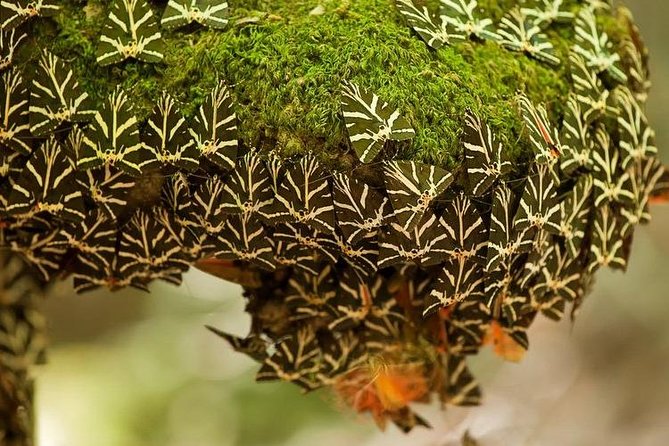
The Valley of the Butterflies, also known as Petaloudes, is one of the most beautiful natural attractions on the island of Rhodes. From June to September, thousands of Panaxia quadripunctaria gather here, resting on trees, rocks, and the forest floor, creating a breathtaking natural spectacle.
Located in the western part of Rhodes, the valley combines lush greenery, flowing streams, shaded trails, and waterfalls, offering visitors a peaceful escape from the island’s beaches and bustling towns.
Why the Valley of the Butterflies is Special
The valley is unique because of its rare microclimate, which provides ideal conditions for butterflies to thrive:
Humidity from natural springs and streams
Shade from dense Oriental Sweetgum trees
Cool temperatures even during hot summer days
Abundant nectar sources for butterflies
During peak season, clusters of butterflies cover tree trunks and rocks, creating a living, moving tapestry that draws photographers, nature lovers, and families from around the world.
History and Cultural Significance
The valley is not only an ecological treasure but also a place with cultural significance. Nearby is the Kalopetra Monastery, a historic monastery that adds a spiritual and historical layer to the natural experience.
Historically, the area has been preserved for generations due to the rare butterfly population, and today it is a protected nature reserve under Greek environmental laws. Visitors can enjoy both the natural beauty and glimpses of local culture, making it a complete Rhodes experience.
Hiking and Walking Trails
Visitors can explore the valley via a well-marked uphill trail:
Wooden bridges over streams
Stone stairways through forest paths
Small waterfalls and natural pools
Shaded resting areas along the route
The full walk takes 45–90 minutes depending on pace. It’s ideal for casual walkers, families, and hikers, though comfortable shoes are recommended.
Best Time to Visit
The Valley of the Butterflies is most active during July and August, though it opens from mid-June to early September. Visiting early in the morning or late afternoon ensures fewer crowds and a cooler environment.
Visitor Information
Opening Hours:
Typically June – September for butterfly season
Morning and afternoon sessions recommended for peak sightings
Tickets:
Paid entrance fee
Discounts for children, students, and groups
Tips for Visitors:
Wear comfortable shoes
Bring water and sunscreen
Avoid loud noises
Stay on marked paths
Do not touch butterflies
Things to See and Do
Besides the butterflies themselves, the valley offers:
Photography Opportunities – Capture thousands of butterflies, forest landscapes, and waterfalls.
Nature Observation – Study local flora and fauna in a protected ecosystem.
Relaxation Spots – Shaded benches and picnic areas for families.
Kalopetra Monastery – Explore the historic site at the top of the valley.
Guided Tours – Learn about butterflies, ecology, and local history from trained guides.
Environmental Protection and Sustainability
The valley is a protected ecological zone. Visitors are asked to follow these rules:
Keep noise low to avoid disturbing butterflies
Do not pick plants or disturb wildlife
Stay on marked paths for your safety and preservation of the habitat
Dispose of trash responsibly
Respecting these guidelines helps preserve the valley for future generations.
Nearby Attractions
While visiting the valley, explore nearby:
Traditional villages such as Theologos
Western Rhodes beaches
Wineries and local tavernas
This allows for a half-day or full-day itinerary, combining nature, culture, and gastronomy.
FAQ – Common Visitor Questions
Q: How long does the visit take?
A: 45–90 minutes for the main trail, longer if you include photography and monastery visits.
Q: Are children allowed?
A: Yes, it’s family-friendly, but supervise children on stairs and bridges.
Q: Is the valley accessible for people with disabilities?
A: Some parts are accessible, but the main trail has stairs and uneven surfaces.
Q: Can we bring food and drinks?
A: Light snacks are allowed; there are shaded picnic areas.